
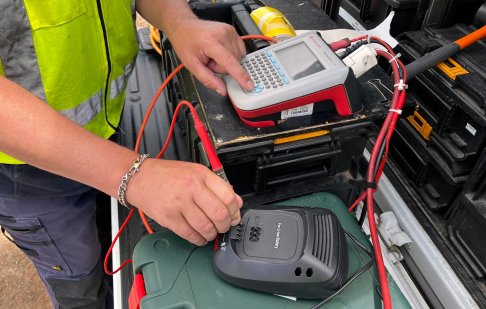
Portable Appliance Testing (Test & Tag)
Portable Appliance Testing (PAT), commonly known in Australia as Test and Tagging, is the systematic process of inspecting and testing portable electrical equipment to ensure it is safe to use. A portable appliance is generally defined as any electrical device that can be easily moved from one location to another and is connected to the power supply via a flexible cord or plug.
Read More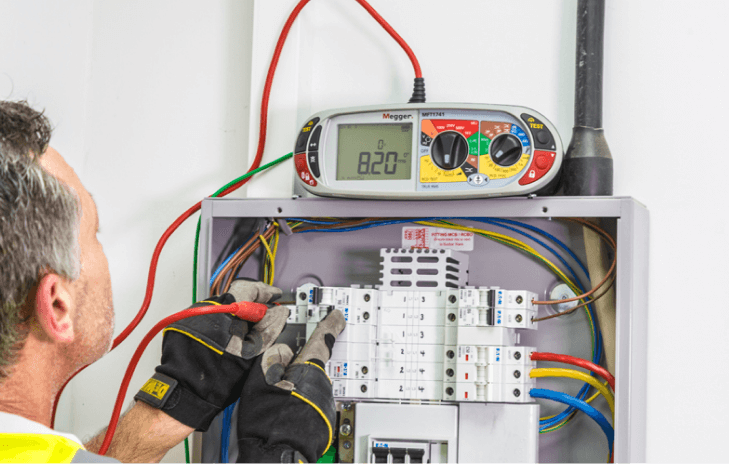
RCD (Residual Current Device) Testing
Residual Current Device (RCD) Testing ensures safety switches operate correctly to prevent electrocution. RCDs monitor electrical flow and disconnect power if leakage is detected, typically within 30 milliseconds.
Read More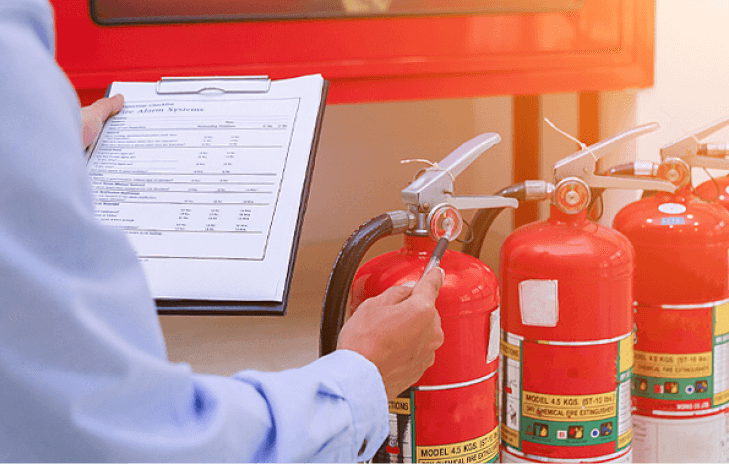
Fire Extinguisher Testing
Fire extinguishers are the first line of defence against fire, but only if maintained correctly. Testing ensures they work during an emergency. Standards: Conducted under AS1851:2012 – Routine service of fire protection systems.
Read More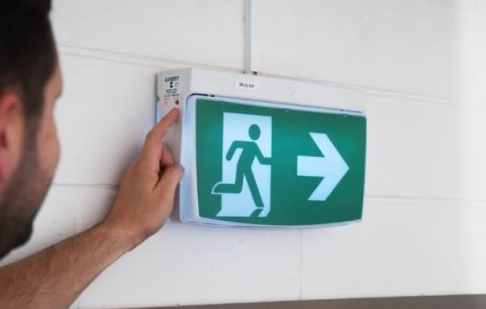
Emergency Exit Light Testing
Emergency exit lights guide occupants safely during blackouts, fires, or power failures. They are powered by mains electricity with a battery backup for emergencies. Standard: Must comply with AS 2293 – Emergency Escape Lighting and Exit Signs for Buildings.
Read More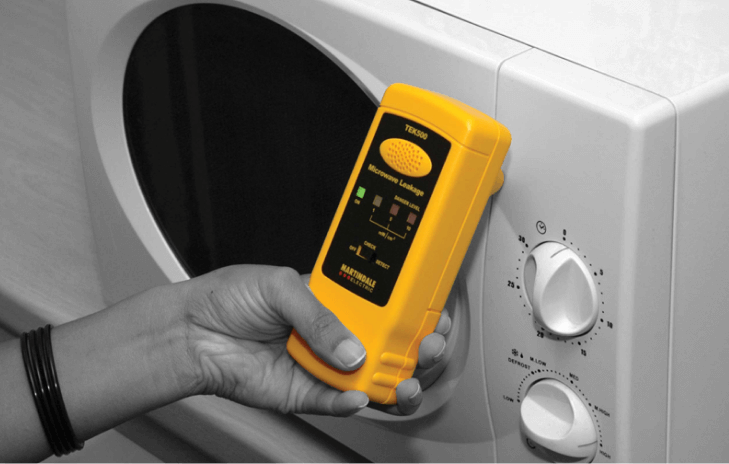
Microwave Leakage Testing
Microwave leakage testing ensures microwaves are not emitting unsafe levels of radiation, which can increase over time due to wear and tear. Standard: AS/NZS 60335.2.25:2020. Must be completed every 12 months.
Read More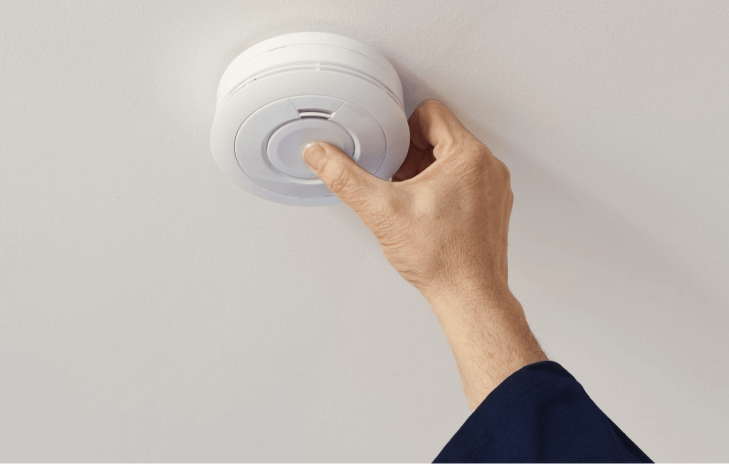
Residential Smoke Detector Testing
Smoke detectors provide early warning of fire, giving occupants time to escape. They must be regularly tested and maintained to remain effective.
Read More
Fire Blanket Testing
Fire blankets are vital for smothering small fires, especially in kitchens and workshops. Regular testing ensures they are accessible and effective.Standard: Tested every 6 months under AS1851:2012.
Read More